Big 5 Game Reserve Lion Bellevue Forest

Big 5 Safari Eastern Cape | Bellevue Forest Reserve

Meet Africa’s Big 5 animals and learn how to identify their tracks, behaviour and habitats on a guided Eastern Cape safari. A recent question to several top tour operators, concerning the best travel experience reported by their clients worldwide, showed a unanimous result: An African safari. Other surveys consistently rank this as a ‘top-tier bucket-list’ experience. This comes as no surprise to those working within the conservation and eco-tourism sphere, as it is a truly life-altering activity that deepens both our understanding and connection to Mother Africa. Much has been written into folklore and legend about Africa’s ‘Big 5’, yet many are unaware how that moniker came about. Actually, this historically referred to the five most dangerous animals to track and hunt on foot in the African wild: leopard, lion, rhino, elephant and buffalo. Times have changed greatly, so that today’s visitor on an African safari is far more likely to wish to observe them at close quarters while only capturing the memory on camera. The danger may be less but the thrill is just as great. One never ceases to sense a primeval chill along the spine while being regarded, up close, by the steely stare of a predator or animal so much stronger than ourselves. The search for Big 5 safari animals therefore remains a constant request from those visiting our South African game reserves – rightly renowned as some of the best Big 5 safari territory in the world. In fact, one could say that these five species names actually define the essence of the African safari. So let us take a closer look, shall we?

Meet Africa’s Big 5 Safari Animals

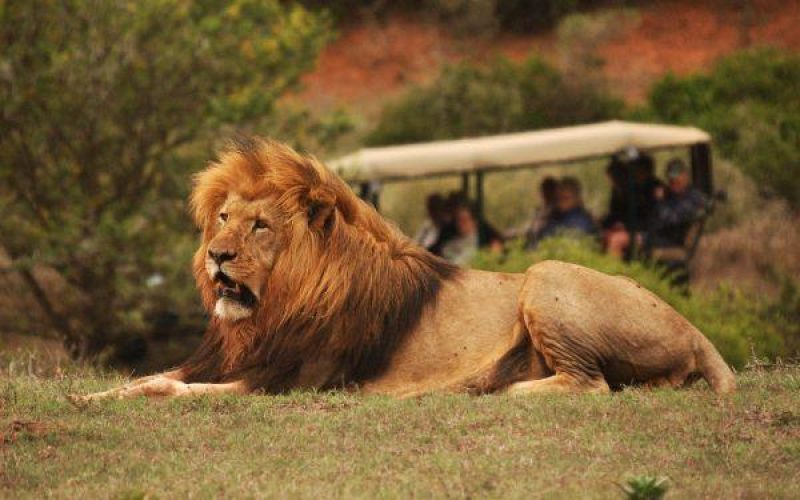
Lion – The Voice of the African Wilderness

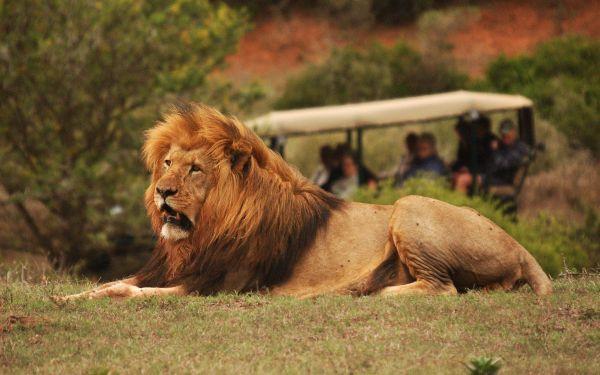
These creatures hardly need an introduction. Who has not encountered the mighty roar that accompanied the opening moments of movies as we grew up? If you think that was impressive, try hearing it – or rather, feeling it – reverberate through the dawn mist, or shattering the night’s peace while sleeping metres away from the animal. Until you have felt it, you won’t fully understand. Once you have, you’ll never forget. Observed during the day, the lion may appear lazy and benign. True, they sleep a lot in the shade. But observe those claws, on those mighty paws. One swift blow and bones snap like twigs. As the sun dips, the lion stirs. Night time switches on the killer instinct. Watch the calculated, coordinated planning of a stalk prior to a hunt. The lion is both cunning and opportunistic. Few ever witness the full charge and take-down of prey, but those who do, are in awe.

Elephants

Clumsy and lumbering they may seem, but of all the animals to experience up close (especially on foot), these possibly inspire the most fear. You simply cannot outrun, outclimb or outwit an elephant. Incredibly intelligent, charismatic and determined, they are also absolutely wonderful to observe. Their family structures and bonds are legendary. Their multitude of grumbles, rumbles and other sounds communicate over vast distances. And in the category of unforgettable sounds – a blasting trumpet at close quarters is right up there on the Richter scale. Elephants probably evoke the most emotion and human empathy of all animals, because in them, we recognise so much of ourselves. They love, mourn, protect, reprimand, educate, communicate and play, just as we do. Given the full protection of a secure and open wild game reserve, they may live to 70 years old, going through similar stages of life as humans do. Elephants have so much to teach us – a lesson we could all use.
Rhino
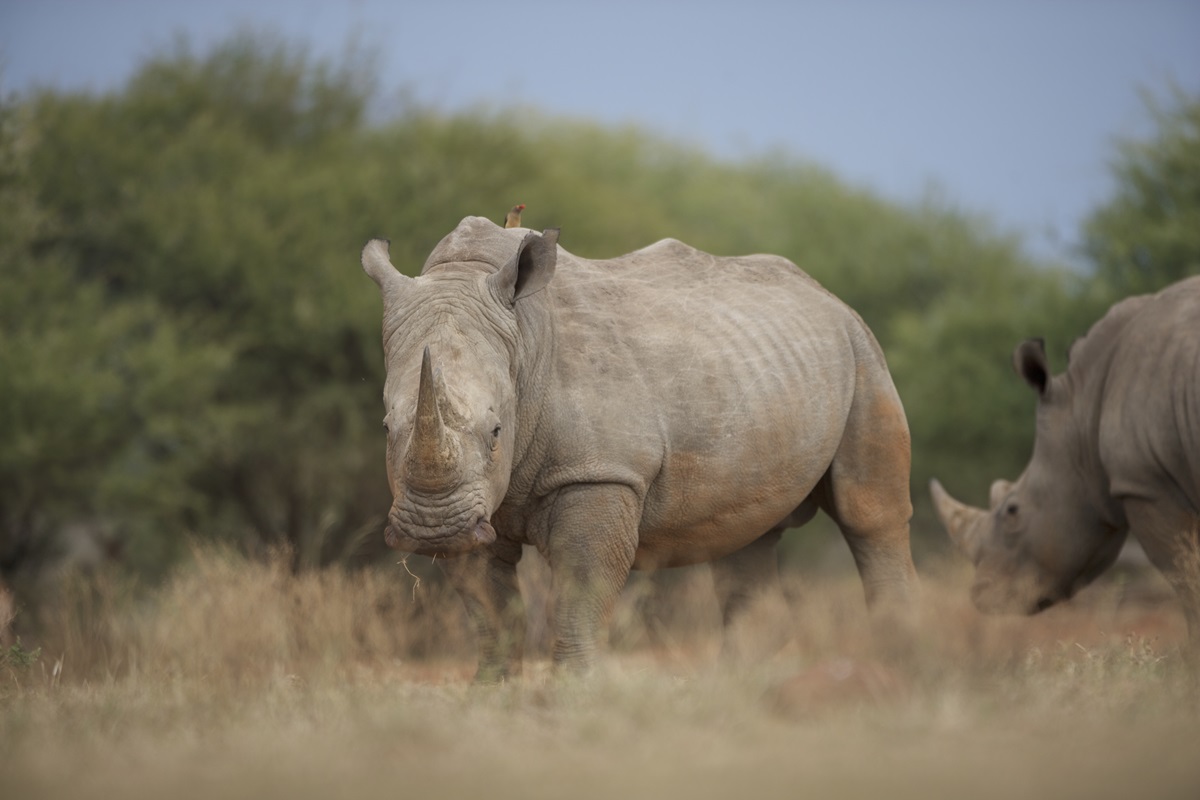
South Africa provides havens to two of the world’s species, commonly known as white and black rhino (confusingly, a name that has no bearing on their colour at all, which is the same grey for both!).In fact, we protect more of these animals than any other country in the world. So if a Big 5 safari is truly one’s goal, then this is certainly the best place to aim for. They may seem docile while grazing but do not be fooled. A black rhino (critically endangered, elusive, extremely smart and quick-tempered) is one of the last animals you would wish to bump into unprepared. Sadly, while all African mammals face numerous threats, the rhino is currently one of the most urgently in need of assistance against human greed. Just how long the species remains free-ranging on our planet is up to us. Cherish the sightings and be aware of the realities. Rhinos need every friend they can get in their struggle for survival.

Photo by Geoff Brooks on Unsplash.

Leopard

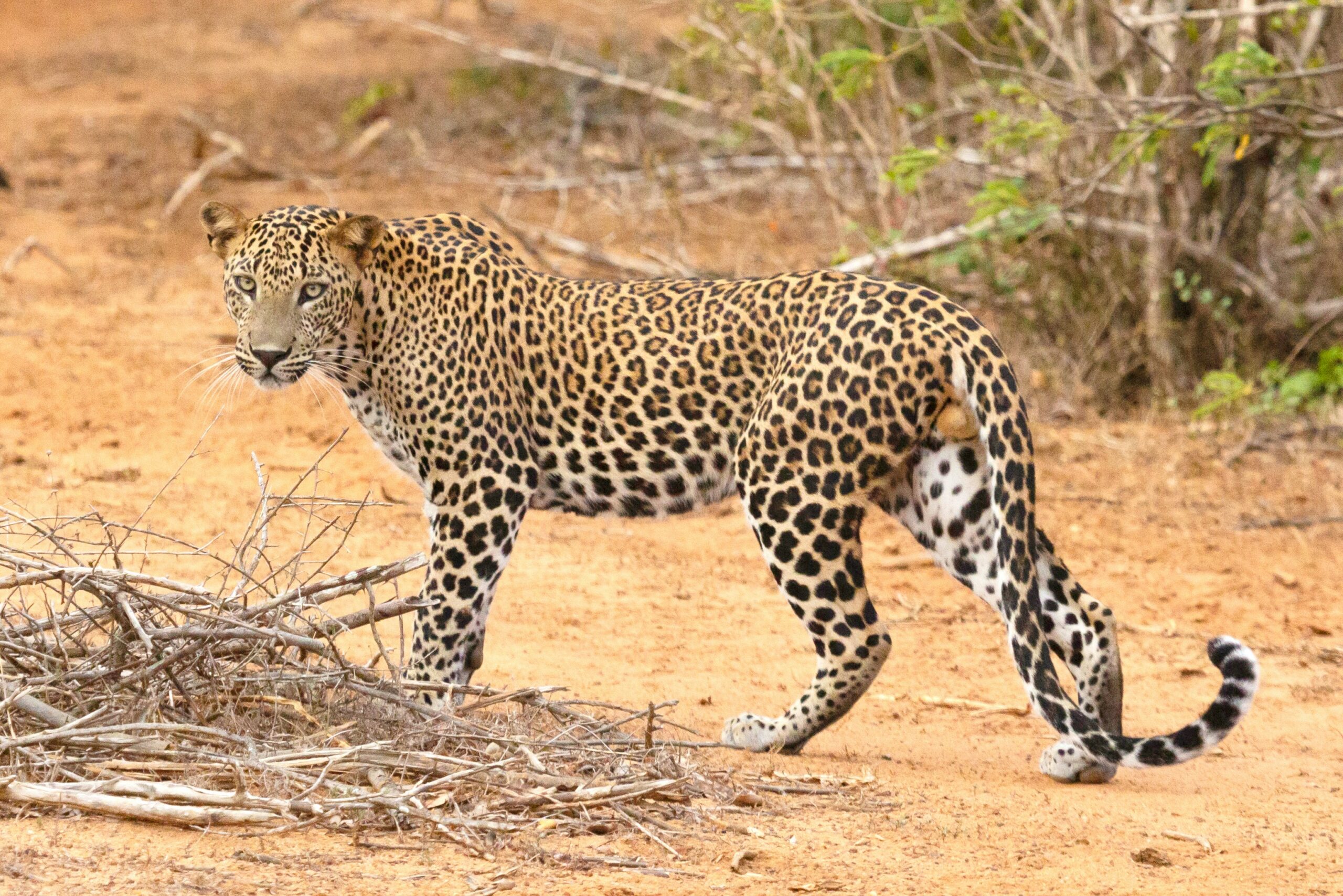
Who does not admire the sheer beauty and magnificence of the lithe and stealthy master of the night? You’ll be very lucky to see him by day, and even under a cloak of darkness, you will only spot him if he allows it. But believe it – the leopard sees YOU. Numbers of these apex predators are dwindling, but healthy populations exist in many protected game reserve areas in South Africa. Even if all the evidence you discover is claw marks on a tree, tracks in the sand, or a sawing sound in the deep of night, know that the leopard is out there. Your senses will recognise the ancient threat.
Cape Buffalo

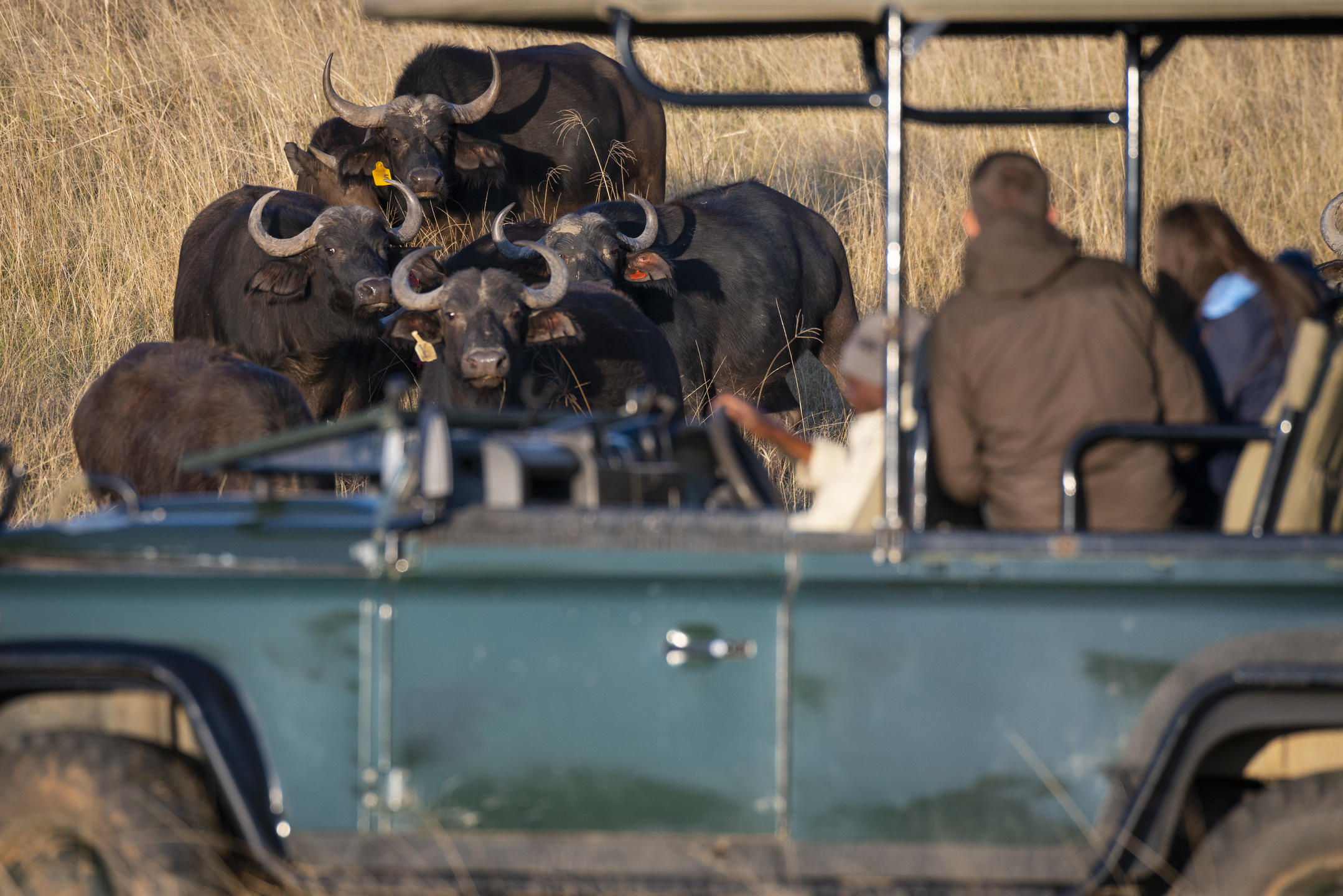
The fifth of our Big 5 animals, the Cape buffalo, has misled many into assuming it is a rather placid bovine. Big mistake! The scars on surviving hunters, game rangers and other bush folk attest to the power and wrath of an angered buffalo, renowned for their strength and unpredictability. That bony boss on his head is a formidable weapon, best observed from the safety of a vehicle. Herd animals by nature, the older bulls (referred to as dagga boys) are eventually evicted to head out on their own; these are the ones to really watch out for. It is said that a dagga boy stares at you like you owe him money (lots of it). There is absolutely no mistaking that red-eyed glare for affection.

Where to See the Big 5

It is true that there are many Big 5 destinations in Africa, but one of the finest of these must surely be South Africa’s Eastern Cape province. Blessed by a somewhat milder climate than most other wildlife regions, the absence of the most dangerous creature of all – the malaria-carrying mosquito – is a huge drawcard in this wild and beautiful landscape. A safe destination for young, elderly, pregnant or other travellers who do not wish to take strong preventative medication, the Eastern Cape is a desirable destination. The Eastern Cape’s Greater Addo region – referring to the area adjacent to the world-renowned Big 5 destination Addo Elephant National Park – is a mosaic of privately owned protected areas working together to unify and expand the land available to the endemic species. One of the most successful examples of this is Bellevue Forest Reserve, a short distance from Addo itself. In little more than a decade, the reserve has progressed in huge strides to introduce lions, elephants and other species in its goal to provide one of the most complete safari experiences in southern Africa. Situated in an area of outstanding natural beauty and diversity, the verdant mountains and valleys of Bellevue offer visitors a complete Eastern Cape Big 5 safari package, with a host of add-ons to create a lifetime highlight. Easily accessible on excellent roads from the smaller international Chief Dawid Stuurman Airport in Gqeberha (Port Elizabeth), Bellevue provides the ideal destination for first-time visitors wishing to experience an iconic African safari. Expertly guided game drives, or walking safaris among giraffes, are a huge part of the attraction in this beautiful destination.

It’s Not ALL About the Big 5

There are, of course, so many other amazing and engaging African wildlife species to complement a safari, like zebra, giraffe, hippo, cheetah, kudu and other antelope. Plus hundreds of other furry and feathered residents. So while the pursuit of the Big 5 may seem like a thrilling treasure hunt, understanding the scarcity of seeing all in one safari, it would be wise to allow the landscape to reveal its surprises and secrets to you as it sees fit, taking joy in every aspect. In a huge, free-ranging wild population, there can be no guarantees. But a great, educated and entertaining guide can bring the rich interwoven entirety of the African bush story to life, for a truly unforgettable safari. Rather than simply ticking a wish list, becoming fully engaged in the ecosystem and its incredibly interlaced biodiversity will ensure an experience far beyond the expected. The smells, sounds, tracks, markings and even droppings are all clues to the intricate and delicate African wildlife story, and a much deeper understanding of the need for conservation and ecological protection of our dwindling heritage. Travellers undertaking an African safari today have the privilege of witnessing increasingly fragile and threatened ecosystems, and while observing animals in their natural habitat is the ultimate experience, so too is the realisation of how impactful our own actions are on their continued existence. An immersive safari should therefore focus not only on sightings and checklists, but a broader insight into conservation, respect and understanding of the complex web of nature. From learning to recognise footprints and spoor, dung and territorial markings, alarm calls and indications of prey species perceiving a threat, and interactions between different types of animals, the story of the African wild is rich and vibrant. Interpretation and anticipation are every bit as thrilling as actually finding an animal that has left clues to track. As with everything in life – the more you are out there, the closer you listen and observe, the more you will be rewarded.

Frequently Asked Questions

What is the best time for a Big 5 game drive?

Traditionally, guided game drives take place in the early morning and late afternoon because temperatures are cooler. However, in the heat of the summer’s day, many animals drink frequently, and seasonal changes affect sightings too. While wild animals are unpredictable and could appear or retreat at any time, an experienced guide knows where to look.

Are Big 5 safaris suitable for children?

Regulations differ between national and private game reserves, and minimum ages depend on the reserve and activity. It is wise to confirm current policies before booking. Bellevue Forest Reserve is a family-friendly safari destination that welcomes children, with inclusive activities to enhance a complete family experience.

What else can I expect from a safari destination?

Landscapes, starry night skies, extensive bird watching opportunities, delicious cuisine, luxury accommodation, spa treatments and other niche activities may be included as part of an African safari package.

Discover Bellevue’s Guided Big 5 Safari

Explore guided game drives in the malaria-free Eastern Cape and learn more about the wildlife, landscapes and experiences at Bellevue Forest Reserve. Naturally one can hope for iconic Big 5 sightings but the real rewards come from allowing the increasingly popular ‘slow safari’ to seep into your soul. Allow the unique safari journey to unfold as a qualified and experienced guide shapes the memories that will stay with you forever. Visit Bellevue Forest Reserve to create your ultimate Big 5 safari package today.
Bellevue Forest Reserve PNG Logo