Is it a malaria area?
Sometimes that comes up right at the start. Sometimes it only hits when you’re looking at flights, or when someone in the family says, “Wait – do we need tablets?” Either way, once it’s on the table, it tends to steer everything.
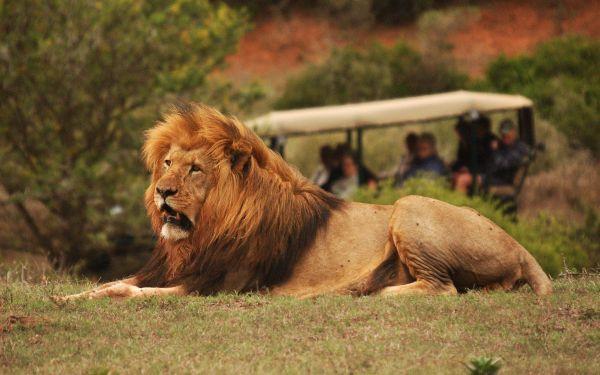
Bellevue Forest Game Reserve offers a malaria-free Big 5 safari in the Eastern Cape, less than an hour’s drive from Gqeberha (Port Elizabeth) Airport. It is a practical choice for families and couples seeking private lodge accommodation, guided wildlife experiences and easy access to Greater Addo.
You still get the wildlife. You still get the early starts and the long silences and the moments where you forget to speak. You just don’t add medication and worry to the packing list.
What Is a Malaria-Free Safari – And Why Does It Matter?
A malaria-free safari simply means you’re travelling in a region where malaria transmission isn’t a risk. No preventative medication. No seasonal “just in case.” No second guessing.
That matters more than people admit.
If you’re travelling with kids, malaria tablets become a whole project. If you’re travelling with parents (or if you’re the one with the medical file), it becomes a conversation about side effects, existing medication, and what’s worth the risk.
Most travellers aren’t looking for drama. They’re looking for a good safari that feels straightforward to plan.
If you’re weighing up a private game reserve in the Eastern Cape, the malaria-free status of the region isn’t a small bonus. It changes the tone of the trip before you even arrive.
Which Safari Regions in South Africa Are Malaria-Free?

This is where South Africa gets interesting. The country has some of the best safari regions on the continent, but they don’t all come with the same health profile.
- The Kruger National Park region is in a malaria zone.
- Parts of northern KwaZulu-Natal can carry seasonal risk.
- Some areas of Limpopo are mixed, depending on where you are and the time of year.
The Eastern Cape, on the other hand, is malaria-free.
That one detail opens up safaris for people who would otherwise skip the idea completely – or postpone it for “someday.”
Why the Eastern Cape Is Becoming a Preferred Safari Alternative
There was a time when people spoke about the Eastern Cape as a quieter safari choice. Not lesser – just quieter. And honestly, that’s still part of the appeal.
But it’s not just “quiet” anymore. The Greater Addo region has grown into a serious safari destination. Private reserves have expanded. Wildlife has been reintroduced. Habitats have been restored properly, over time, with patience.
You feel that when you’re there.
It’s also less congested than some of the headline safari regions. Less of the convoy feeling. Less of the “rush to the sighting.” More space. More stillness.
Bellevue Forest is less than an hour’s drive from Gqeberha (Port Elizabeth) Airport, making it an accessible malaria-free safari base for a family holiday, a couples’ getaway or a short Eastern Cape itinerary.
A lot of safari experiences in the Eastern Cape deliver exactly what people come for – without adding complexity.
Can You Experience the Big 5 on a Malaria-Free Safari?
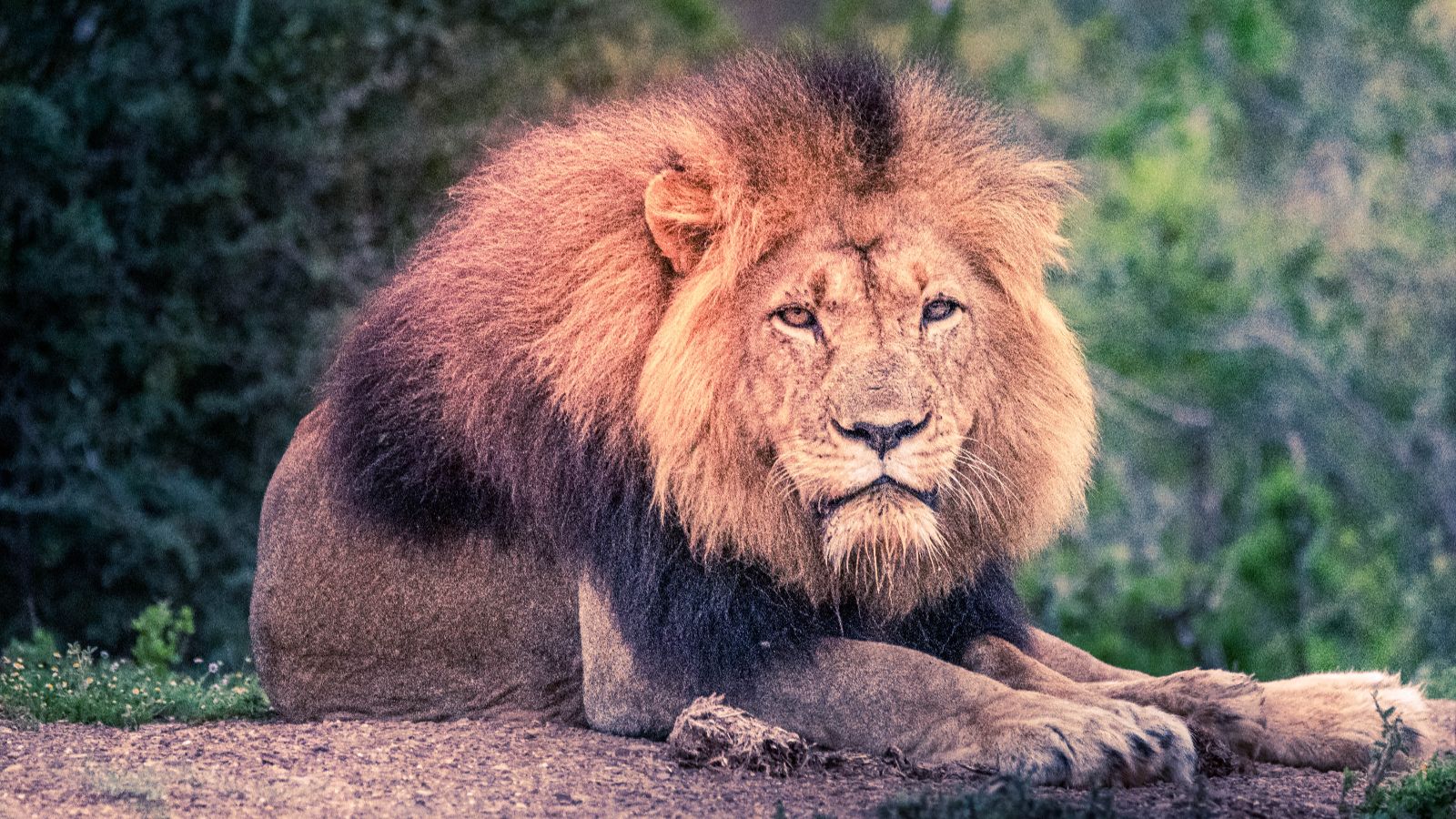
Yes – and this is where people often relax.
There’s a misconception that malaria-free means “no Big 5” or “limited game.” In the Eastern Cape, that’s not true.
In the Greater Addo area, private reserves offer Big 5 safaris – lion, leopard, elephant, rhino and buffalo – within well-managed conservation environments.
Private reserves also tend to manage guest numbers better. Sightings don’t feel like a public event. You’re not always parked in a line of vehicles. It feels more personal. More like you’re part of the landscape, not passing through it.
And then you get the moments that don’t fit neatly into a checklist.
Things like giraffe tracking walks. Slower. Quieter. Less “tour” energy. More presence. Those are often the experiences people talk about later, when the photos are done.

A malaria-free safari doesn’t water down the safari. It just removes one of the biggest barriers people carry into the decision.
Is Bellevue Forest Suitable for Families, Couples and Seniors?
Yes. Elephants Lodge offers a dedicated family room, while double rooms and quiet tented stays are available for couples. Guests can combine a malaria-free stay with guided Big 5 safaris, giraffe tracking and Addo day trips. Check activity age and mobility requirements when booking.
Choosing a Private Game Reserve in a Malaria-Free Region
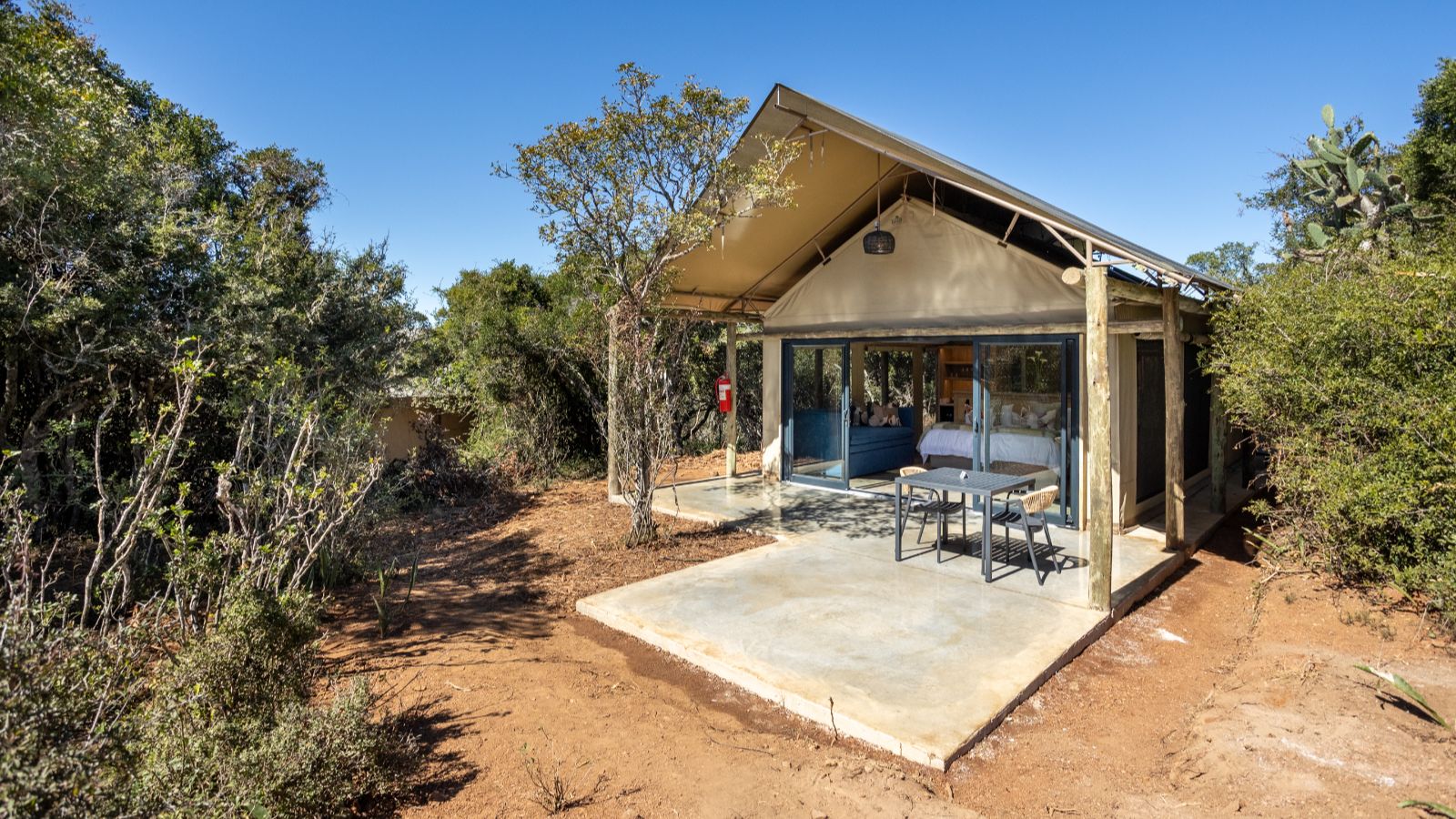
If you want the safari to feel personal, look closely at the type of reserve you’re choosing.
Private game reserves generally offer something different from large public parks. Smaller guest numbers. More flexible guiding. Less noise. Less hurry. Lodges that feel like they belong where they stand.
In the Eastern Cape, accommodation ranges from safari lodges to more intimate tented stays, depending on what kind of trip you’re building – relaxed, romantic, family-focused, or something in between.
When you’re deciding, a few questions help:
- Is it a private reserve, or a public park?
- How many vehicles are typically out at once?
- What’s the guiding style – fast-paced or slow and interpretive?
- What’s the overall atmosphere – busy or calm?
- How easy is it to reach from the airport?
The Eastern Cape tends to answer these well. That’s why it’s become such a strong option for travellers who want a proper safari without added health complications.
A safari should feel expansive, not complicated.
If removing malaria risk from the equation makes the whole idea feel more doable, the Eastern Cape is worth a serious look. Not as a compromise – as a smart choice.
And for many people, that’s where the decision quietly lands.