
Conservation Volunteer Programme in South Africa
Not a tour. Not a photo opportunity. A genuine, hands-on conservation experience at Bellevue Forest Reserve — for people who want to get close to the real work.
Step into the rhythm of a working reserve
This is a practical programme. Volunteers spend time alongside the reserve team and support ongoing work linked to conservation, habitat care, wildlife monitoring, and general reserve management.
The tasks vary. They have to. A reserve is a living environment, not a fixed schedule. There is no staged routine built to make every day look exciting from the outside — that is one of the strengths of the programme.
"You step into the rhythm of a working reserve. Some days are physical. Some are slower. What stays consistent is the sense that your time here is tied to something real."
Why Volunteer at Bellevue Forest Reserve?
Bellevue feels different quite quickly. A rare forest-based setting, small intentional groups, and a philosophy built around ethical, long-term conservation.
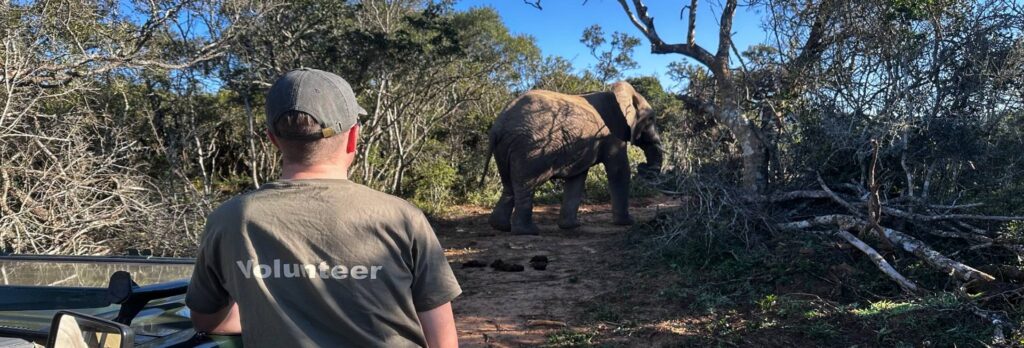
Rare Forest-Based Environment
Not open savannah — this is a forest reserve. More enclosed, more textured, more immersive. Wildlife is encountered differently here.
Small Groups, Real Exposure
Intentionally kept small. Not a large intake moved through a polished cycle — a smaller group in a real place where work changes as needed.
Built Around Ethical Conservation
Wildlife is not there to perform. Activities are shaped around observation, monitoring, responsible management, and long-term health.
What You May Be Involved In
01
Wildlife Monitoring & Research
Camera trap monitoring, wildlife observations, species tracking, and biodiversity data collection.
02
Habitat & Reserve Management
Clearing invasive vegetation, fence line checks, road maintenance, and habitat protection work.
03
Community & Conservation Projects
Nursery work, planting, and practical support linked to community-facing conservation initiatives.
04
Field Learning & Practical Skills
Knowledge that accumulates through doing — tracks, patterns, field decisions, ecosystem dynamics.

What Does a Typical Day Look Like?
There is a rhythm, but not a rigid formula. Most days start early — the best time to be out, before the heat builds. Some days feel full and active. Others feel more spread out. That is normal.
Evenings are often the best part. Data to log. Notes to capture. Or the group simply sits outside and lets the day settle.

05:30
Early Morning Field tasks, wildlife monitoring, camera trap checks before the heat builds.
09:00
Mid-Morning Meal, regrouping, discussion or preparation for the afternoon ahead.
11:00
Late Morning Habitat work, maintenance tasks, monitoring continues where needed.
15:00
Afternoon Conservation support, field observations, reserve operations.
18:30
Evening Data logging, field notes, or quiet time together under the reserve sky.
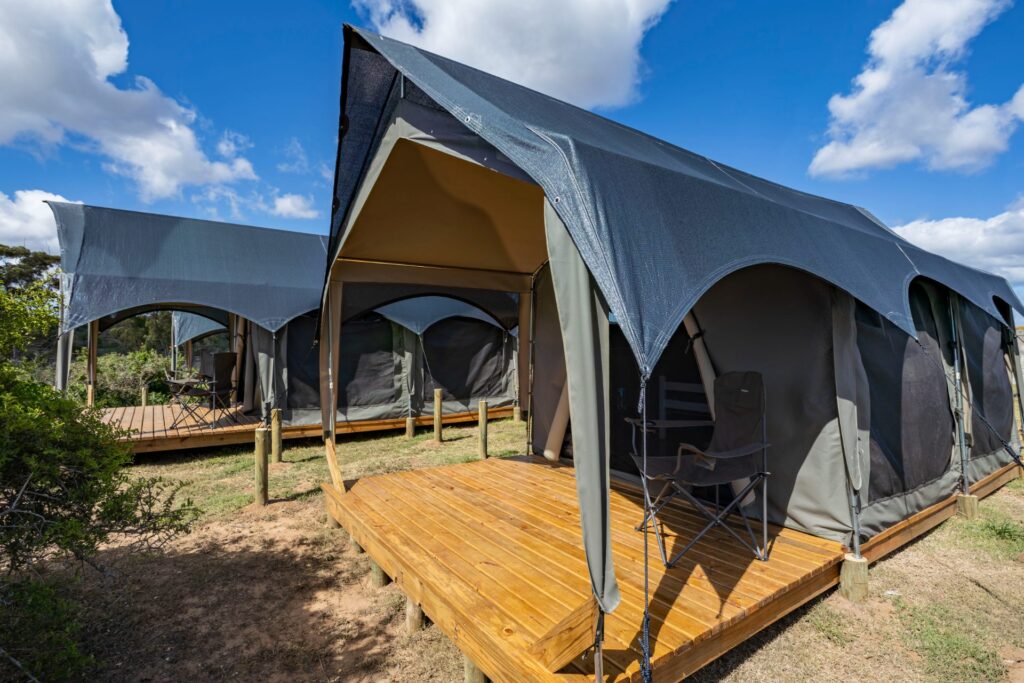
Comfortable. Practical. Part of the Experience.
Volunteer accommodation at Bellevue is not built to feel like a luxury lodge stay. You stay either at Fox’s House — the dedicated volunteer house — or in a tented camp on the reserve.
- Fox’s House or tented camp on the reserve
- Shared bedrooms and communal living spaces
- Daily meals included
- Simple, comfortable, and practical
- Close to the work — no distance from the experience
What Is Included
Accommodation
On the reserve
Meals
Daily, full board
Accommodation
On the reserve
Meals
Daily, full board
"You step into the rhythm of a working reserve. Some days are physical. Some are slower. What stays consistent is the sense that your time here is tied to something real."
Programme Dates
Minimum stay
Maximum stay
Start dates
Location
Region
Experience required
Fitness level
Who This Programme Is For
You do not need to arrive with a polished plan for your future. You do need to arrive willing to take part.
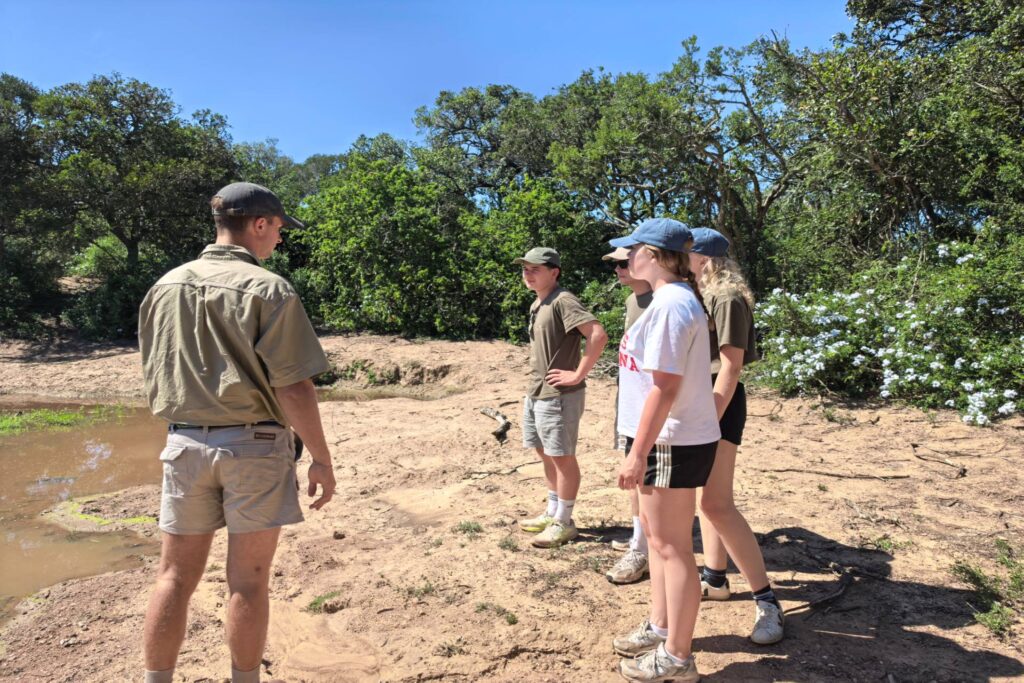
Gap Year Travellers
Looking for something meaningful rather than decorative during time out.
Conservation Students
Ecology or conservation interest and a need for practical, real-world exposure.
International Travellers
Seeking a deeper experience than standard tourism allows.
Outdoor Enthusiasts
A pull toward outdoor work, wildlife, and a more grounded kind of travel.
Ethical Conservation at Bellevue
Bellevue’s conservation philosophy is not built around spectacle. No direct handling of dangerous wildlife. No forced interactions. Wildlife is approached with respect, distance, and awareness. The work is there to support the long-term wellbeing of the reserve — not to create the appearance of impact.
Common Questions
About the Programme
What is the Bellevue Conservation Volunteer Programme?
The Bellevue Conservation Volunteer Programme is a hands-on, immersive wildlife and conservation experience where participants actively contribute to the protection, restoration, and management of a forest-based Big 5 reserve. Volunteers work alongside experienced conservation teams on real conservation projects involving wildlife monitoring, habitat management, and community engagement.
What makes Bellevue different from other volunteer programmes?
Bellevue offers a rare forest safari ecosystem rather than a traditional savannah environment. The reserve is home to reintroduced lions, close wildlife encounters such as walking with giraffe, and a diversity of rare species. The programme focuses on small groups, high-quality experiences, and authentic conservation exposure rather than staged activities.
Volunteer Experience
What will I do as a volunteer?
Activities vary depending on conservation priorities and may include wildlife tracking, camera trap monitoring, biodiversity data collection, habitat restoration, fence maintenance, and participation in community projects. Volunteers may also observe conservation operations such as wildlife management interventions when appropriate.
Will I work with dangerous animals?
Volunteers do not directly handle dangerous wildlife. All activities involving wildlife are conducted under strict supervision by trained professionals. Participation includes observation, tracking, and learning about animal behaviour and conservation practices.
What does a typical day look like?
A typical day includes early morning fieldwork, followed by rest or educational sessions during midday, and afternoon conservation activities. Evenings may include data capture, discussions, or informal learning sessions. Each day is structured around the needs of the reserve.
Accommodation and Lifestyle
Where will I stay?
Volunteers are accommodated in a dedicated volunteer house called Fox’s House or a tented camp within Bellevue Forest Reserve. Accommodation is shared and includes communal living and dining areas, offering a comfortable and authentic bush experience.
What is included in the programme?
The programme includes accommodation, all meals, conservation activities, and guidance from experienced staff. Flights, transfers (unless specified), and personal expenses are not included.
How physically demanding is the programme?
The programme is moderately physically demanding. Volunteers should be comfortable walking in natural terrain and participating in outdoor activities in varying weather conditions. A reasonable level of fitness is required.
Learning and Contribution
What will I learn?
Participants gain practical knowledge in wildlife conservation, ecology, reserve management, and sustainable tourism. The programme offers hands-on experience supported by mentorship from conservation professionals.
Do volunteers make a meaningful contribution?
Volunteers support essential conservation work, including wildlife monitoring, habitat restoration, and community initiatives. Their involvement contributes to the ongoing sustainability and management of the reserve.
Participation
Who can join the programme?
The programme is suitable for gap year students, conservation enthusiasts, international travellers, and individuals seeking a meaningful travel experience.
Is experience required?
No prior experience is necessary. Training and guidance are provided throughout the programme.
What is the minimum age?
The minimum age is typically 18 years. Younger participants may be considered if accompanied by a guardian from 16 years of age.
Duration and Booking
How long can I stay?
Programmes typically range from two weeks to twelve weeks or longer. Longer stays allow for greater involvement and a deeper understanding of conservation practices.
When can I start?
Start dates are flexible and typically scheduled weekly or bi-weekly, subject to availability.
Conservation Approach
What is Bellevue’s conservation philosophy?
Bellevue focuses on ethical, sustainable conservation practices, including natural ecosystem management, minimal human interference, and long-term biodiversity preservation. Wildlife is not exploited for tourism purposes.
Is this an ethical volunteering programme?
The programme follows responsible conservation principles. There is no direct interaction with dangerous wildlife. All activities are aligned with ecosystem integrity and conservation best practices.
Travel and Logistics
How do I get to Bellevue Forest Reserve?
The reserve is located near Gqeberha (Port Elizabeth) in the Eastern Cape of South Africa. Transfers are arranged at an extra fee, and detailed travel information is provided upon booking.
Is the reserve safe?
The reserve operates under strict safety protocols. All activities are supervised by trained professionals, and the property is secure and access controlled.
Final Consideration
Why choose Bellevue Forest Reserve?
Bellevue offers a purpose-driven conservation experience within a unique forest ecosystem. Volunteers become part of a long-term conservation vision, contributing to wildlife protection, habitat restoration, and the re-establishment of apex predators in a historically significant landscape.
Enquire About the Bellevue Conservation Volunteer Programme
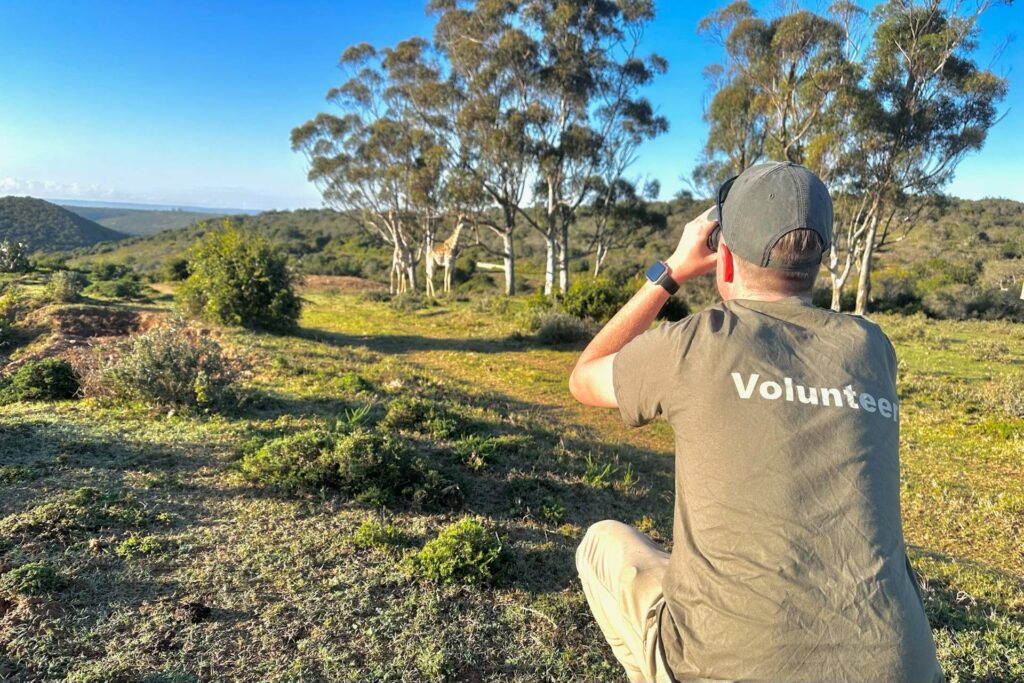
If this sounds like the kind of experience you have been looking for, the next step is to get in touch. Enquire about available dates, stay length, accommodation, and whether the programme would be a good fit.