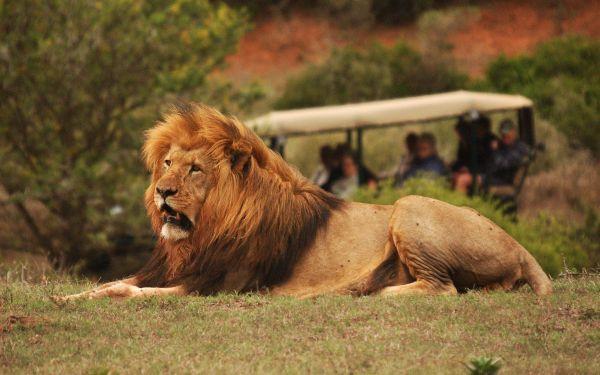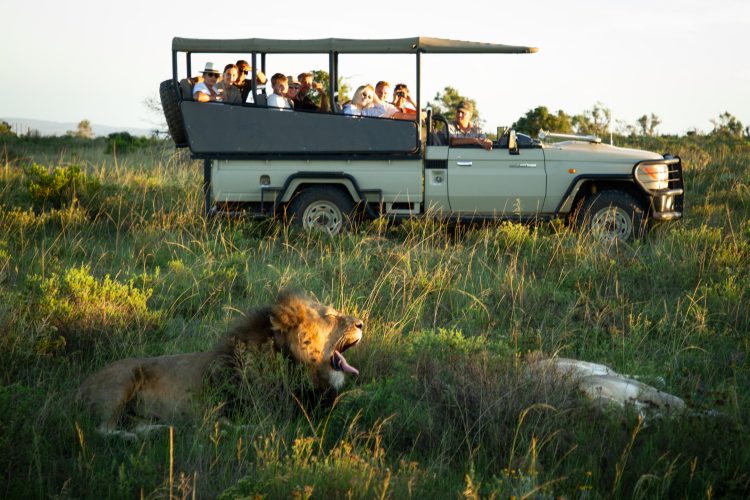
The Eastern Cape province of South Africa may not, at first glance, appear to be ‘Big Game’ country.
True, it is not as ruggedly stark and ‘African’ in appearance as the northern game reserves. Not nearly as thorny and wild-looking. Instead, its rolling green hills and valleys lend it an almost gentle air in places. Until you get down on the ground, that is, and discover for yourself just how diverse it really is. Among the Albany thickets unique to this terrain, in the Greater Addo region outside of Gqeberha (formerly Port Elizabeth), is where you’ll find the privately owned Bellevue Forest Reserve.
And forests it has, in abundance - but that is not all. Home to almost all of the charismatic animal species (including the ‘Big Five’) and many more, it is thankfully spared the presence of one of the most dangerous of all - the malaria-carrying anopheles mosquito.
This part of South Africa is also endowed with one of the more moderate and pleasant climates in a country known for extremes. Not to mention its incredibly beautiful beaches, nature reserves and abundance of marine life. Gqeberha’s Algoa Bay, for example, is an internationally recognised whale heritage site, and the Bottlenose dolphin capital of the world, along with a renowned sanctuary for penguins and other injured seabirds.
With that in mind, the choice to spend part of one’s Gap Year (“Tussen-jaar” being the descriptive Dutch equivalent) here makes great sense for young and older people seeking an experience far different from their everyday lives, for to date this has been the sector showing the most interest.
But the course offers attractions to many others. Be it the search for a career path following school or university graduation, or a sabbatical from a career that has stagnated; a mid-life change of direction, a vital mental-health break, a desire to experience grass-roots conservation and community involvement, or simply an African holiday with a purpose - a stint in the Bellevue Conservation Volunteer Programme is guaranteed to awaken new senses, inspire different thoughts and offer a wholly changed perspective on life.
While the programme is attracting great attention nationally and internationally among school leavers and other young people, there’s no upper limit on the age of volunteers. If you’re fit, comfortable sharing dormitory accommodation and spending long days outdoors in the sun and dust, game for any physical task and keen to learn about the bush as well as what it takes to manage a wildlife reserve - then consider Bellevue’s Conservation Volunteer Programme for your next trip-with-a-purpose. It could just be the ultimate African adventure for you!
Why I chose to join the Bellevue Conservation Volunteer Programme
Testimonial by Eveline Brinks, former volunteer and current Volunteer Coordinator in The Netherlands “After a difficult period at work, I felt quite burned out. At the same time, I’m not someone who can simply sit still, so I wanted to do something that would give my mind a break while keeping me physically active. About six months earlier, I had been on safari in South Africa and absolutely loved the experience. It made me realise how much I wanted to contribute to protecting the wildlife and the places where these animals can live. That’s why I started looking for a conservation volunteer programme at a wildlife reserve. I actually found Bellevue after asking ChatGPT about volunteer opportunities in South Africa. It led me to Het Andere Reizen, who recommended the Bellevue Conservation Volunteer Programme to me. “One of the highlights of my three weeks at Bellevue was being involved in the darting of an elephant for health reasons. I was allowed to help safely hold his trunk so he could continue breathing during the procedure. It was an incredible experience and definitely something I never expected to be part of. But the whole experience was more than I expected. It wasn’t just about the wildlife or the conservation work. Being away from everyday life gave me a different perspective. “I would recommend this programme to people taking a gap year, those who have just finished their studies, but also to anyone who feels that the daily routine has become a bit too much. Sometimes you don’t need to completely stop; you just need to step away from your normal life for a while. There is something incredibly calming about sitting in a safari vehicle, watching wildlife and realising how simple life can actually be. It reminded me that we are surrounded by so much comfort and luxury in our everyday lives, but we don’t necessarily need all of it to feel happy or fulfilled.”